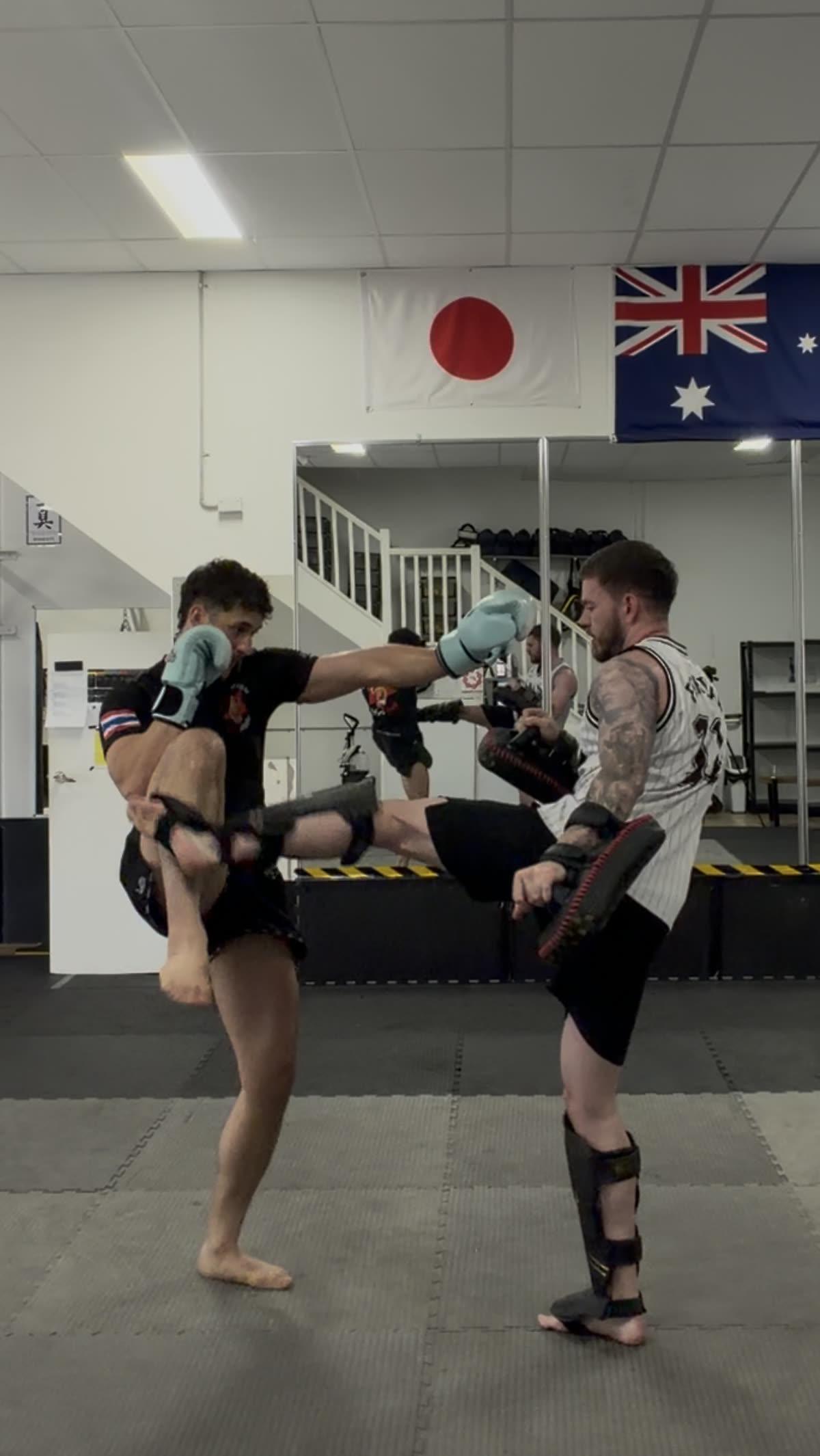
Is 40 too old to start Muay Thai? No — here's how to do it well.
No. Most people who start Muay Thai or boxing as adults are in their 30s, 40s and 50s. What changes with age is recovery, not capability — so the right class is one that's small enough for the coach to set the intensity for you, has no sparring, and builds technique in order. That is exactly how we run every class at Weapon in Castle Hill.
By Liam James, head coach & founderCastle Hill, NSW
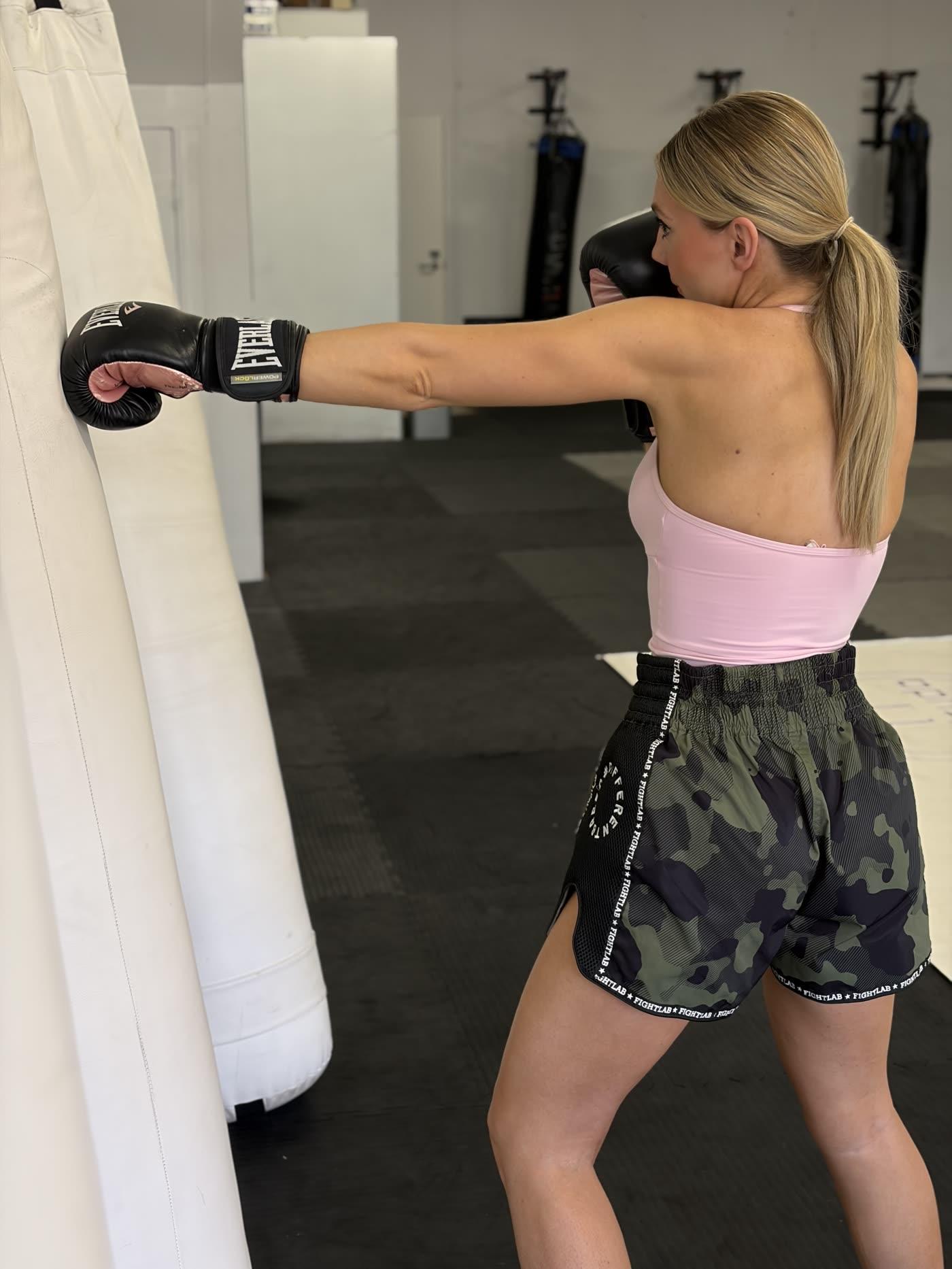
What actually changes after 40
Your body still learns skill at the same rate it always did. What slows is recovery: tendons and joints take longer to warm up and longer to settle after a hard session, and sleep matters more than it used to. That isn't a reason not to train. It's a reason to train two or three good sessions a week rather than five rushed ones, and to pick a gym that treats a 48-year-old accountant differently to a 22-year-old who wants to fight.
Muay Thai is well suited to this. Pad work, bag work and partner drills give you a full-body workout with no head contact, and because every technique is built on stance and footwork, you get better by paying attention rather than by being the fittest person in the room.
Why a small class matters more as you get older
In a class of thirty, the warm-up is the warm-up and the rounds are the rounds. In a class of a handful of people the coach can see that your hips need another two minutes, hold the pads lower for your round kick while you build the mobility, and tell you to sit the next round out before you'd have thought to ask. That's the difference between a sport you do for a year and one you do for twenty.
Our members are mostly working adults, a good share of them over 40. Nobody spars in classes. You're partnered with someone at your level, and you'll be corrected on every round — which is what you're paying for.
What your first month looks like
- Week one: stance, guard, how to move, the jab and cross, the teep. You'll feel it in your legs and shoulders. Two or three classes is plenty.
- Week two to three: round kicks on the pads, basic knees, your first proper combinations. Fitness starts to change — most people notice it on the stairs before they notice it in the mirror.
- Week four: you're holding pads for a partner, you know everyone's name, and the coach is fixing small things rather than big ones.
- After that, it's a practice. Two or three sessions a week, a private lesson now and then if you want to accelerate, and a body that keeps getting more capable.
Practical advice from the coach
- Arrive ten minutes early and do your own joint warm-up before class starts. Ankles, hips, shoulders.
- Tell the coach about old injuries on day one. A dodgy shoulder changes how we hold pads for you; it doesn't stop you training.
- Buy decent 14–16oz gloves and hand wraps once you know you're staying. We'll lend you a pair for your trial.
- Expect to be sore for two days after the first couple of sessions, then much less. Don't train through sharp pain; do train through ordinary soreness.
- If you'd rather learn the basics privately before joining a class, that's a normal way to start — many of our older members did.
What it costs in Castle Hill
Your first week at Weapon is $10 and includes every class, so you can try Muay Thai, boxing and the Saturday mixed class and see how your body responds. After that, Unlimited is $60 a week with no lock-in contract, 2 Classes a Week is $50, 1 Class a Week is $30, and Private + Unlimited — one private lesson a week plus every class — is $150 a week.